

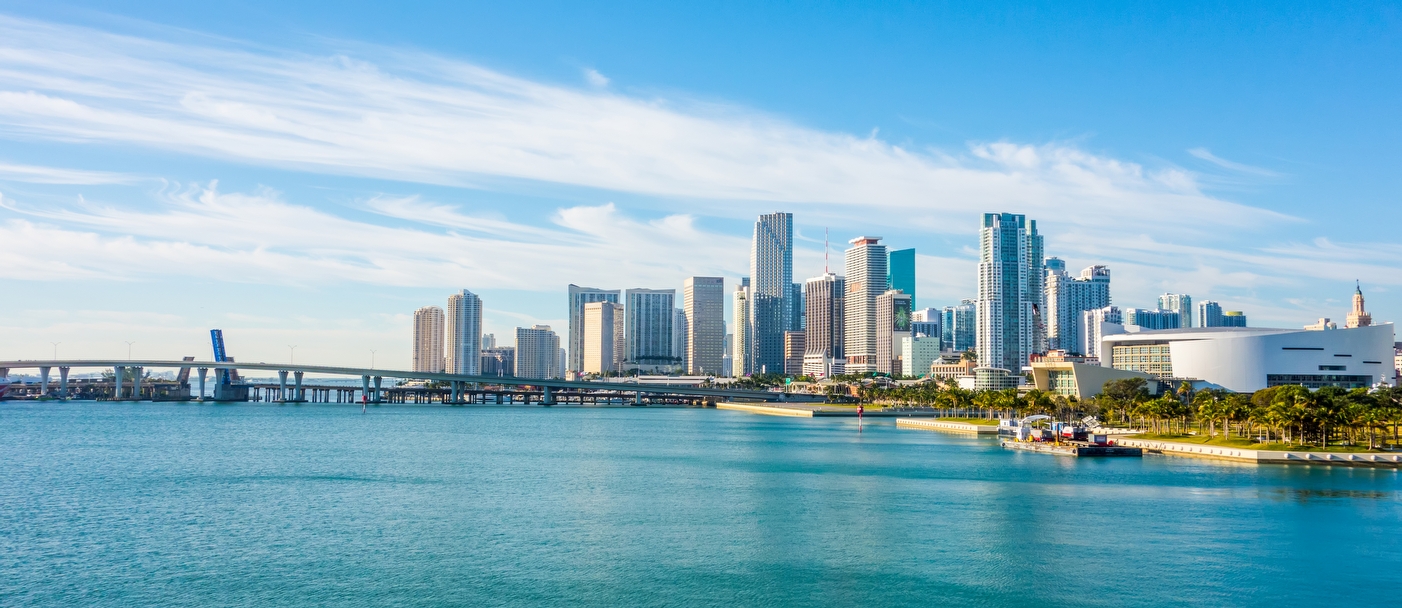
Miami's new construction condominium market has continued to attract international attention, deep-pocketed buyers, and lifestyle-driven owners who want a slice of the city's unique coastal luxury. From waterfront icons to boutique towers rising in Brickell and Edgewater, new developments are reshaping the skyline and offering a mix of turnkey residences, branded residences, and ultra-luxury penthouses. Whether you're a local investor, a second-home buyer, or a resident looking to trade up, here's a clear, SEO-friendly guide that explains the market dynamics, highlights notable buildings, and outlines what to watch when evaluating Miami's new condos.
Several factors keep Miami at the top of the list for new construction condo activity. The city combines year-round desirable climate and waterfront access with increasingly strong office and cultural investment, which attracts both lifestyle buyers and people relocating for work. Developers continue to place value on branded towers, on-site amenities, and integrated mixed-use projects that combine residences with hospitality and retail. These projects are marketed not just as homes but as lifestyle platforms offering concierge services, resort pools, private dining rooms, wellness centers, and in some cases, marina access for boat owners.
When discussing newer Miami condominiums it helps to call out a handful of developments that exemplify current trends: large-scale mixed-use towers, branded residences, and boutique waterfront projects. The Waldorf Astoria Miami is an example of an ambitious mixed-use plan that will redefine the downtown silhouette with a supertall, stacked-cube design and hotel-residence integration. :contentReference[oaicite:0]{index=0}
On the Edgewater and Midtown fronts, curated developments like Aria Reserve have been completed recently and show the continuing demand for waterfront and island-style living within Miami proper. These projects emphasize private amenities, large terraces, and a quieter waterfront setting while still offering proximity to downtown. :contentReference[oaicite:1]{index=1}
In neighborhoods like North Miami Beach and the northern corridor, projects such as Nexo Residences show how developers are expanding beyond the traditional Brickell–Miami Beach axis and filling demand for luxury housing in growing submarkets. Nexo and similar projects have been mentioned in recent preconstruction and topping-off updates as part of the broader expansion. :contentReference[oaicite:2]{index=2}
Other buildings often discussed in new-development roundups include branded or celebrity-associated towers such as Aston Martin Residences, Baccarat Residences, and lifestyle projects at Grove Isle (Vita at Grove Isle). These projects are frequently listed among watchlists and sales launches for 2024–2025 due to their strong brand recognition and amenity packages. :contentReference[oaicite:3]{index=3}
Pricing in Miami's new construction segment varies widely by neighborhood, brand, and amenity level. High-profile towers with celebrity or luxury brands command premium pricing that targets an international buyer pool, while product that focuses on value or lifestyle—smaller units with efficient floor plans—addresses local and regional buyers. Developers have also become more strategic with staged release pricing, offering initial inventory at early-buyer prices and then increasing costs as the project matures toward completion.
Another trend is the growing importance of flexibility: furnished model units, short-term rental-friendly buildings in certain zones, and hybrid ownership programs are all part of the new inventory mix. Buyers should expect to compare HOA fees, special assessment schedules, and parking policies across projects because those items materially affect total cost of ownership.
Brickell remains a top spot for urban luxury living and for towers that cater to professionals and young families who want walkability and proximity to financial and dining districts. Downtown and the Biscayne Bay corridor continue to attract large mixed-use developments. Miami Beach and South Beach still command premium waterfront pricing, while Edgewater and Midtown have seen an uptick in boutique luxury projects with sweeping bay views and direct water access.
Emerging submarkets north of Miami Beach and in parts of North Miami have started to capture developer interest, offering slightly lower entry pricing and new lifestyle-focused amenities targeted to buyers who want more space for the money. These locations are worth watching for investors seeking yield or buyers who prioritize living space and community amenities over a prime tourist-driven address.
First, due diligence is essential. Verify construction timelines, developer reputation, and any liens or special assessments on the property. Confirm warranty structures and what finishes are included with the contract price. Second, evaluate amenities based on lifestyle needs: if you own a boat, look for developments that offer deeded slips or convenient marina access; if you plan to rent seasonally, confirm building rules on short-term rentals. Third, examine HOA and maintenance fees carefully—these can vary significantly and materially change the monthly cost of a unit.
For investors, Miami's new construction condos can offer both appreciation potential and rental income, but success depends on location, product type, and market timing. Branded residences often attract higher rental rates and have notable resale appeal, but they may also carry higher fees. Conversely, units in less-famous buildings can deliver better cashflow but might require more hands-on property management. Evaluate vacancy trends, seasonal demand cycles, and whether the building permits short-term or long-term rentals.
Lenders and insurers treat new construction differently from resale condos. Some banks have tighter underwriting for preconstruction purchases and may require larger down payments for investment units. Buyers should confirm mortgage availability and any builder financing options early. Insurance is another consideration in coastal Florida—storm, flood, and wind policies can add meaningfully to annual carrying costs; ensure you have accurate insurance estimates before finalizing a purchase decision.
When shopping for new construction, start with model tours and ask for detailed specification sheets that list materials, appliances, and upgrade options. Compare unit-to-unit value by analyzing square feet, terraces, views, and included appliance packages. Request recent comparables from the neighborhood to understand the resale context, and always get legal counsel experienced with Florida condominium contracts for a careful review of the purchase agreement.
Miami's new construction condominium market is likely to stay active as long as migration trends and international demand remain strong. Large mixed-use and branded projects will continue to dominate headlines, while smaller developers may pursue more niche boutique offerings that appeal to buyers seeking unique design or quieter waterfront living. Market participants should watch broader macroeconomic factors such as interest rate movements and international capital flows, because those variables heavily influence demand in the luxury segment.
Miami's new condos offer a spectrum of product—everything from supertall prestige towers to walkable boutique residences aimed at lifestyle buyers. Prioritize developer track record, read governing documents carefully, and evaluate long-term carrying costs before committing. For buyers who value amenity-rich living, waterfront access, and brand recognition, the city continues to present compelling options; for pragmatic investors, emerging submarkets may provide better value and stronger cashflow potential. If you'd like, I can create a tailored comparison of specific buildings, neighborhoods, or investment scenarios based on your priorities.


